Referred To a Braces Specialist? Here’s What To Know
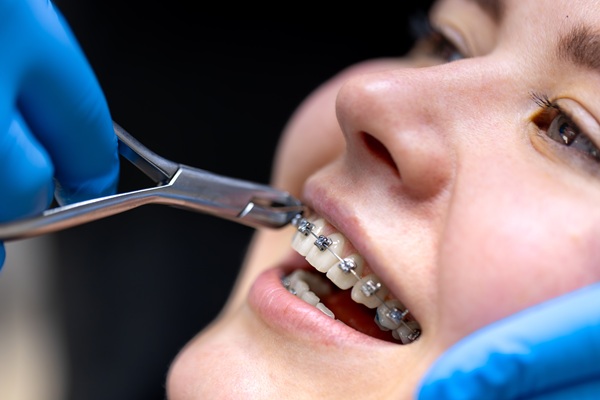
A general dentist may refer a patient to a braces specialist when teeth or jaw alignment needs more focused care. A braces specialist, also known as an orthodontist, completes advanced training in guiding tooth movement and bite correction. This type of referral usually means that the smile and bite can benefit from more personalized planning and modern orthodontic options. With the right information, a visit to a braces specialist can feel like an exciting step.
When you need a braces specialist
Dentists monitor how teeth come in, how the jaws fit together, and how the patient can maintain their oral hygiene. When misalignment issues become more noticeable, a referral to a braces specialist helps prevent future problems. These issues may include:
- Crowding
- Spacing
- Overbite
- Underbite
- Crossbite
For example, untreated orthodontic issues can affect chewing, speech, and jaw comfort. It also brings the risk of tooth wear or gum strain. Fortunately, a braces specialist focuses on guiding teeth into healthier positions and balancing the way upper and lower teeth meet. This support can improve the overall appearance and function of the patient's smile.
How the braces specialist and dentist work together
A braces specialist does not replace the general dentist. Regular cleanings, exams, and cavity prevention remain essential throughout orthodontic treatment. The two providers share information about progress, hygiene, and any restorative needs that may arise. This partnership helps protect both the alignment and the overall health of the teeth and gums.
Treatment options a braces specialist may offer
Modern orthodontic care brings more options than before. A braces specialist may recommend:
- Traditional braces: These consist of metal brackets and wires attached to the front of the teeth. Known for their effectiveness in treating various dental misalignments, traditional braces are highly visible due to their metallic design.
- Clear (ceramic) braces: Made from clear or tooth-colored materials, these braces blend with the teeth for a more discreet look. While aesthetically pleasing, they can be less durable than metal braces and may require careful maintenance to prevent staining.
- Lingual braces: Attached to the back of the teeth, lingual braces are virtually invisible from the front. They offer a discreet solution for orthodontic treatment, but may take some time to adjust to in terms of comfort and speech.
The recommendation varies based on case complexity, aesthetic preferences, lifestyle needs, age, and orthodontic condition. Traditional metal braces are effective for a wide range of issues, while discreet options like lingual braces are more limited in their corrective capabilities.
What happens at the first appointment with an orthodontist
The first visit with a braces specialist usually centers on evaluation and patient education. The orthodontic team takes photographs, digital scans, and dental X-rays to study the teeth, jaws, and facial profile. The specialist then examines the bite, checks how the teeth move when the mouth opens and closes, and reviews any concerns about appearance or comfort.
After this assessment, the braces specialist explains what is happening, why it matters, and which options can help. The patient's age is also considered; adult patients typically have more treatment options than younger patients. Either way, the goal is to leave the appointment with a solid understanding of the plan and realistic expectations.
Consult a braces specialist today
Orthodontic treatment requires time, cooperation, and good home care, but the rewards often last for decades. Patients who follow instructions, keep appointments, and maintain strong brushing and flossing habits usually see the best results. To schedule a consultation with an orthodontist, contact Morris County Orthodontics today.
Request an appointment here: http://morriscountyorthodontics.com or call Morris County Orthodontics at (973) 606-6024 for an appointment in our Morris Plains office.
Check out what others are saying about our services on Yelp: Read our Yelp reviews.
Related Posts
Maybe you want to straighten your teeth, but you are looking for a more discreet method like Invisalign®. These aligners have exploded in popularity because they are a less obvious way to correct misaligned teeth. Many people with alignment issues who were unsure about braces have now embraced Invisalign. You might be on the fence…
Orthodontics can fix almost all teeth alignment issues. Poorly aligned teeth can ruin the way that your smile looks, and they can also leave you more vulnerable to a variety of oral issues, like tooth decay and gum disease, because it is harder to remove plaque from teeth surfaces. Improperly aligned teeth can also make…
There are so many differences between traditional braces and Invisalign® aligners. You may be wondering which option is right for your alignment needs and if you will have to change your lifestyle. Many people choose to go through the Invisalign process because the trays are less conspicuous than traditional braces. Traditional braces can be very…
Orthodontics aims to improve the alignment of your teeth. Doing so improves the way that your smile looks and makes it easier to keep your teeth clean, protecting you against tooth decay and gum disease.Clear aligners provide a discreet way to straighten teeth. They allow patients to avoid having to deal with metal wires and…