Why You Should Seek Out a Braces Specialist
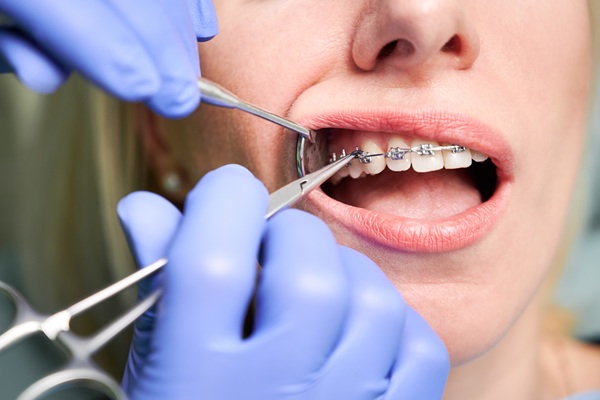
If you already have a relationship established with a dentist, you may be understandably hesitant to seek out a specialist. However, a braces specialist offers several benefits to patients who need braces that you may want to consider.
What is a braces specialist?
An orthodontist is a braces specialist because of additional training and education. Orthodontists specialize in using dental devices such as braces, bands, and, retainers to move teeth into new positions. Orthodontists provide treatment for a variety of dental conditions, including:
- Crooked teeth
- Crowded teeth or teeth with gaps
- Bite problems
- Jaw misalignments
Orthodontic treatment helps patients achieve a healthy bite. Improving the spacing and alignment of the teeth improves patients' ability to speak, chew and eat.
Education and training
Orthodontists complete the same college and dental school as other types of dentists. They also complete orthodontic school and a two- to three-year orthodontic residency program after graduating from dental school. This additional training sets a braces specialist apart from other dentists because dental schools usually offer a limited amount of orthodontic instruction.
Orthodontic residency programs consist of intensive and focused instruction on orthodontics and dentofacial orthopedics. Some orthodontists go on to complete board certification after finishing an orthodontic residency.
What are the reasons to see a braces specialist?
The most common reason people see an orthodontist is a condition called misalignment or malocclusion. Patients with this condition have tooth overcrowding, irregular bite patterns, or misshapen jaws due to hereditary differences in the size of the upper and lower jaw or the jaw and the teeth.
These issues can be complex and may require the specialized training and experience an orthodontist has that other dentists may not. Additionally, orthodontists only provide treatments within their specialty. By focusing on one particular area of dentistry, orthodontists can obtain a higher skill level and perform more procedures in that specialty than other dentists.
Braces or dental appliances
Braces or other dental appliances are commonly used to treat patients with malocclusion. The orthodontist attaches metal, plastic, or ceramic square bonds to the teeth. A set of springs and wires is used to apply force to the teeth to move them into alignment. Patients with minor malocclusion may be able to use clear braces. Patients with more severe cases may need headgear to help move the teeth into place.
What to expect at your orthodontic appointment
At your first orthodontic appointment, the dentist will perform an oral exam, take photos of your face and smile, take X-rays of your face and head, and take impressions to use for creating molds of your teeth. The dentist uses the information gathered in this exam and your dental history to make a recommendation for treatment.
Conclusion
While there is some overlap between the services offered by orthodontists and other dental providers, the higher level of experience, education, and training obtained by a braces specialist offers advantages to patients who need orthodontic treatment, such as braces.
If you need braces in Morris Plains, call or stop by our office to make an appointment with an orthodontist.
Related Posts
Is your child in need of orthodontic treatment? Choosing the right braces for teens involves balancing their comfort, appearance during treatment, and effectiveness during a critical stage of dental development. There are several options available, each designed to address alignment and bite concerns distinctly.The adolescent years are often ideal for orthodontic treatment because the jaw…
Invisalign delivers optimal results when patients wear the aligners consistently every day. While the trays may seem simple to use, treatment success depends on following the recommended schedule. As an orthodontist, one of the most common questions we receive is, “How many hours should I wear my aligners each day?” and “What happens if I…
Many people search for braces for adults when their teeth feel crowded, their bite alignment seems off, or their confidence in a smile starts to fade. Modern braces for adults offer more discreet, efficient, and customizable options than many patients expect. Treatment no longer focuses only on teens; adults of all ages now explore orthodontic…
Improving teeth alignment with orthodontics provides patients with many benefits, like improving their ability to properly clean their teeth, which protects them against common oral issues like tooth decay and gum disease. Orthodontics can also straighten the patient’s smile, improving its aesthetics. Common teeth alignment issues include:OverbitesCrossbitesUnderbitesOverjetsOral appliances, like braces and clear aligners, are often…